Toolbox safety talks often become rituals: rushed, recycled, and ignored. Workers nod along, sign the sheet, and return to work—none the wiser. The problem isn’t the intent; it’s the execution. A safety talk that doesn’t connect, challenge, or clarify is noise.
Real safety progress starts with relevance. The best toolbox talks target specific risks tied to the day’s work, involve crew input, and end with actionable takeaways. This isn’t about checking a box. It’s about stopping incidents before they happen.
Below are high-impact toolbox safety talk topics that work—proven by field teams, safety managers, and incident reports.
1. Hand Tool Hazards: The Overlooked Dangers
Hand tools are so common they’re easy to ignore. But misuse causes thousands of injuries yearly—from hammer slips to damaged pliers causing pinch points.
Common mistakes: - Using a screwdriver as a chisel - Wrenches without proper fit (slipping = injury) - Failing to inspect files, snips, or utility knives for damage
Real-world example: A worker used a cracked hammer handle. It snapped mid-swing, sending the head flying into a nearby crew member’s leg—laceration and lost time.
Talk focus: - Inspect every hand tool before use - Match the tool to the job—no improvising - Store tools properly to prevent damage
Crew engagement tip: Pass around a damaged tool (e.g., frayed pliers, chipped chisel). Ask: “Would you use this? Why or why not?”
2. Power Tool Safety: Beyond the Manual
Most crews know not to remove guards—but do they know why? Generic reminders don’t stick. Focus on real scenarios.
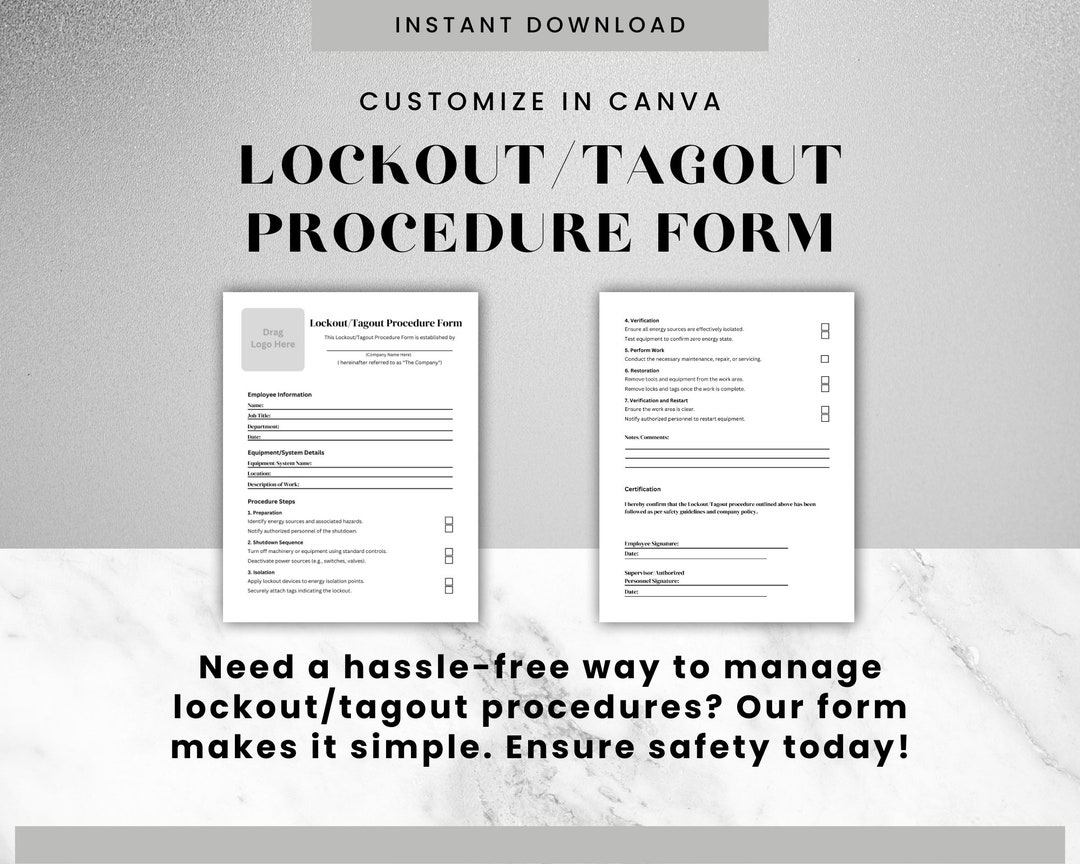
Key points to cover: - Double-insulated tools vs. grounding: what it means on site - Why cord management prevents trip hazards and tool damage - Lockout/tagout (LOTO) during bit or blade changes
Example incident: A worker changed a circular saw blade without unplugging it. The saw kicked when his sleeve brushed the trigger. Severe laceration to the forearm.
Discussion prompt: “What steps do we skip when in a hurry—and what could go wrong?”
Actionable takeaway: - Always unplug or remove batteries before servicing - Use GFCI outlets when working in damp areas - Check vibration levels—excessive vibration means wear or misalignment
3. Electrical Safety: Awareness Beyond Voltage
Electricity isn’t just a risk near panels or live wires. Damaged extension cords, overloaded outlets, and wet conditions create silent threats.
High-risk scenarios: - Using indoor-rated cords outside - Daisy-chaining power strips in temporary setups - Power tools near water or wet concrete
Use case: A crew used a frayed extension cord to power a portable grinder on a damp deck. The insulation failed, energizing the rebar below. No one was injured—but it was a near-miss with lethal potential.
Safety talk focus: - Inspect cords daily—look for cuts, overheating, or pinching - Use only weatherproof, outdoor-rated equipment outside - Know the location of emergency shutoffs

Field test: Run the “tug test”—gently pull on the plug end to check for loose wires. If it wiggles, it’s unsafe.
4. PPE: Not Just Wearing It—Wearing It Right
Hard hats, gloves, safety glasses—required on every site. But are they effective if worn incorrectly?
Common PPE failures: - Hard hat worn backwards (suspension not aligned) - Safety glasses without side shields in high-debris zones - Gloves that reduce dexterity, leading to tool mishaps
Real example: A worker wore cut-resistant gloves while operating a table saw. The glove caught in the blade—resulting in amputation. Not all gloves are safe for all tasks.
Discussion topics: - Match PPE to the hazard: cut-resistant vs. chemical vs. heat - Inspect PPE before each use—cracked lenses, frayed straps, dents - Replace, don’t repair: DIY fixes on PPE void protection
Engagement idea: Hold a “PPE audit” after the talk—inspect each other’s gear.
5. Ladder Safety: One Step from an Injury
Falls from ladders account for a disproportionate number of recordable incidents. The cause? Usually preventable.
Critical rules: - 3-point contact always—two hands, one foot or vice versa - Set-up angle: 4:1 ratio (for every 4 feet of height, base is 1 foot out) - Don’t stand on the top two rungs
Near-miss story: A worker leaned too far to the side while on a step ladder, overbalancing and falling. He dislocated his shoulder. The ladder wasn’t tied off, and the surface was uneven.
Talk emphasis: - Inspect ladders before use: loose rungs, damaged spreaders, slippery feet - Use ladder levelers on uneven ground - Carry tools in a belt—not in hand
Pro tip: Use a tagline—“If it rocks, it’s wrong”—to reinforce stability.
6. Hazard Communication: Seeing the Unseen
Chemicals, solvents, adhesives—common on most job sites. But are workers reading labels and SDS sheets?
Frequent gaps: - Assuming “small amounts” don’t need protection - Not knowing what to do in a spill or splash - Using old or unlabeled containers
Example: A painter mixed two cleaning agents not meant to be combined. Toxic fumes filled the space—two workers hospitalized.
Safety talk structure: - Review the SDS for one chemical used that day - Confirm GHS label understanding: pictograms, signal words, precautions - Demonstrate proper PPE and spill cleanup steps
Interactive move: Show a mislabeled container. Ask: “What’s missing? What would you do?”
7. Housekeeping: Clean Sites Prevent Injuries
Clutter causes more incidents than most leaders admit. Trips, fires, blocked exits—it’s preventable with daily discipline.
High-impact habits: - Clean as you go—don’t leave debris for “later” - Designate waste zones and enforce segregation - Keep walkways and exits clear at all times
Real case: A trailing extension cord caused a trip, leading to a fall down stairs. The cord was across a high-traffic path, taped down but not marked.

Talk focus: - 5S principles: Sort, Set in order, Shine, Standardize, Sustain - Daily cleanup responsibility—who owns it? - Fire safety: keep flammable materials stored and separated
Team challenge: Do a 5-minute sweep after the talk—everyone picks up 3 items.
8. Working at Heights: Protection Beyond the Harness
Fall protection isn't just about wearing a harness. It's about planning, anchoring, and awareness.
Critical checks: - Anchor points rated for 5,000 lbs or engineered system - Harness inspection: webbing, D-rings, buckles - Fall clearance: will you hit the ground before the lanyard stops you?
Near-miss: A worker’s shock-absorbing lanyard deployed—but he still hit a lower platform. Inadequate clearance.
Discussion points: - When is fall protection required? (Usually 6 feet or more) - Difference between work positioning, restraint, and fall arrest - Rescue plan: How do you get someone down after a fall?
Takeaway: A harness is useless without a complete system—and a rescue plan.
9. Team Engagement: Making Safety Talks Interactive
The biggest failure? One-way lectures. Workers tune out.
Proven engagement tactics: - Ask open-ended questions: “What’s the biggest hazard today?” - Use real photos from your site (anonymized if needed) - Let crew lead a 5-minute segment
- Example format:
- Start with a recent near-miss
- Ask for observations
- Share best practice
- Confirm understanding with a quick recap
Bottom line: If no one speaks, you’re not having a talk—you’re giving a monologue.
10. Closing the Loop: From Talk to Action
A great safety talk ends with action. Not just signatures.
Effective follow-up: - Assign one safety task: e.g., inspect all grinders today - Walk the site together to spot hazards - Revisit the topic next week—did habits change?
Leadership tip: Supervisors should participate, not just present. If you’re not wearing your PPE, don’t expect your crew to.
Final Thought: Safety Isn’t a Meeting—It’s a Mindset
Toolbox safety talks work when they’re specific, practical, and participatory. Pick a real hazard. Use real stories. Ask real questions. Turn awareness into action—one conversation at a time.
Start tomorrow’s talk with: “What almost went wrong yesterday?” You’ll be surprised what you hear.
FAQ What are common toolbox safety talk topics? Hand tool safety, PPE use, ladder setup, electrical hazards, fall protection, housekeeping, and chemical handling are among the most critical.
How long should a toolbox safety talk last? Aim for 5 to 15 minutes—long enough to cover one topic in depth, short enough to keep attention.
Who should lead a toolbox safety talk? Supervisors typically lead, but rotating crew members can increase engagement and ownership.
Can toolbox talks reduce job site incidents? Yes—when done consistently and tied to real work, they reinforce safe behavior and surface hidden risks.
Should toolbox talks be documented? Yes. Records prove compliance and help track recurring issues or training needs.
How often should safety talks happen? Weekly is standard, but high-risk tasks may require daily talks.
What’s the biggest mistake in safety talks? Being generic. Talks that aren’t tied to current work or crew input lose impact fast.
FAQ
What should you look for in Toolbox Safety Talk Topics That Actually Work on Site? Focus on relevance, practical value, and how well the solution matches real user intent.
Is Toolbox Safety Talk Topics That Actually Work on Site suitable for beginners? That depends on the workflow, but a clear step-by-step approach usually makes it easier to start.
How do you compare options around Toolbox Safety Talk Topics That Actually Work on Site? Compare features, trust signals, limitations, pricing, and ease of implementation.
What mistakes should you avoid? Avoid generic choices, weak validation, and decisions based only on marketing claims.
What is the next best step? Shortlist the most relevant options, validate them quickly, and refine from real-world results.